
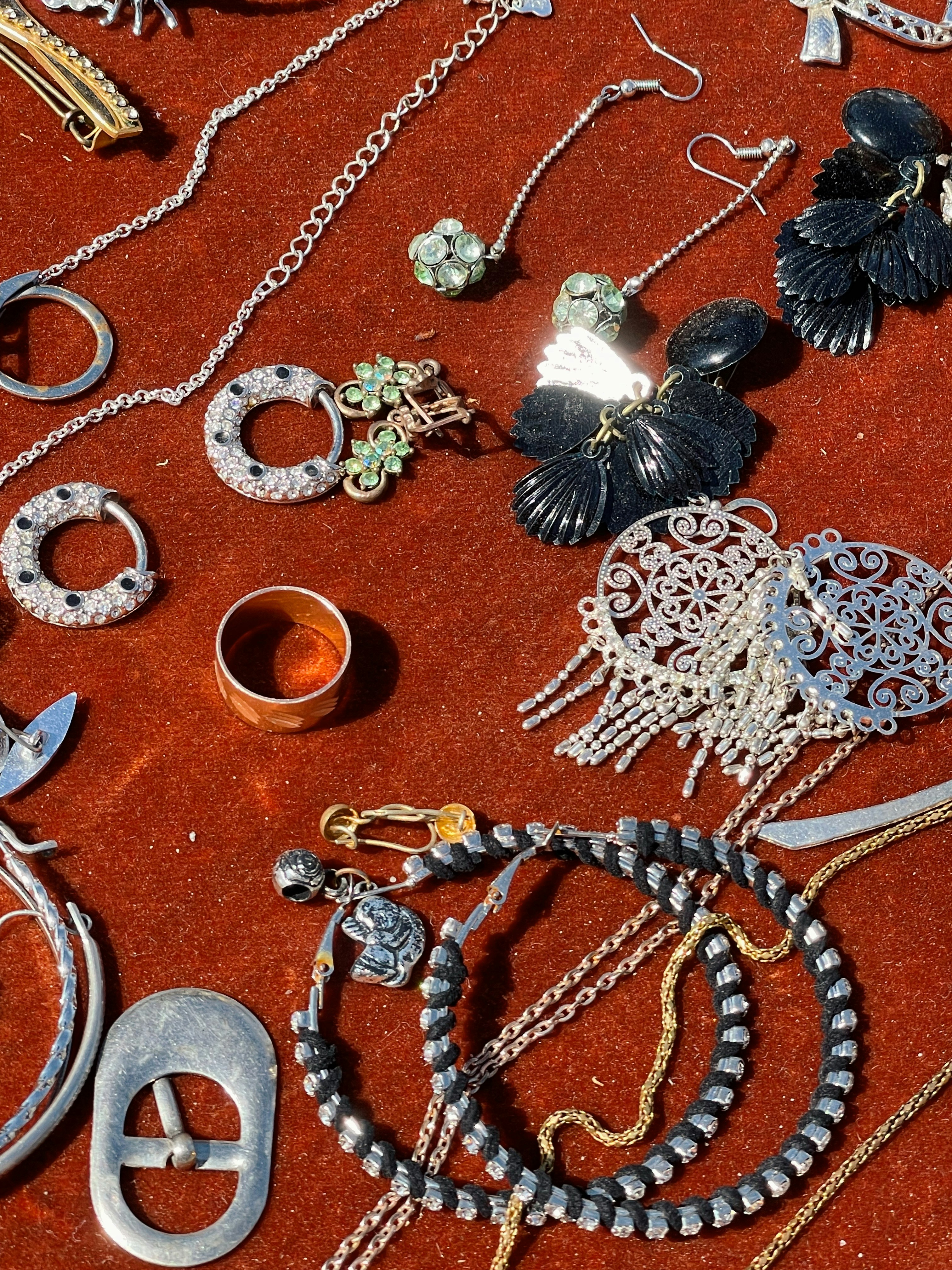
The History of Jewellery: A Timeless Craft
The history of jewellery is as ancient as humanity itself, serving as a reflection of cultural norms, societal structures, and economic systems throughout the ages. Originating in prehistoric times, early forms of jewellery were crafted from readily available materials such as shells, bones, and stones. These primitive adornments were not only decorative but often held cultural significance, marking important events or indicating social status within ancient tribes.
As civilizations advanced, the art of jewellery-making evolved, introducing more sophisticated techniques and materials. In ancient Egypt, gold jewellery was prominent, symbolizing wealth and often adorned with intricate designs representing gods and goddesses. The use of precious metals and gemstones became a statement of power, craftsmanship, and divine connection, reflecting a society that found spiritual meaning in their adornments.
During the classical eras of Greece and Rome, jewellery took on new roles, with intricate designs that emphasized beauty and refinement. Notable pieces included cameos and intricately woven gold chains, which were often used to display social status and artistic skill. In the Middle Ages, jewellery became intertwined with religious significance; crosses and other religious symbols were crafted for both adornment and devotion.
The Renaissance saw a revival of interest in classical styles, leading to innovations in both design and technique. Jewellers began to incorporate enamel and elaborate engravings, creating masterpieces that would shape the future of the craft. In various cultures, jewellery also served as a form of currency, exemplifying its multifaceted role in human history.
As we transitioned into the modern era, the significance of jewellery continued to evolve. Today, it encompasses not only tradition but also personal expression, with contemporary designs reflecting individual style and innovation. The historical journey of jewellery is a testimony to humanity’s enduring relationship with adornment, making it a timeless craft that transcends generations and cultures.
Types of Jewellery: A Diverse World of Adornments
The world of jewellery is vast and diverse, encompassing a wide range of adornments that serve both aesthetic and symbolic purposes. The primary types of jewellery include rings, necklaces, bracelets, earrings, and brooches, each exhibiting unique characteristics that cater to various tastes and occasions. Understanding these types allows individuals to make informed choices when selecting jewellery.
Rings, often associated with significant life events such as engagements and weddings, can vary dramatically in design and material. Fine jewellery rings typically feature precious metals like gold and platinum, often adorned with gemstones, while fashion rings may include more affordable materials and creative designs. Additionally, there’s a growing trend towards handcrafted rings that showcase artisanship.
Necklaces are another prominent type of jewellery, available in myriad styles ranging from delicate chains to statement pieces. Fine necklaces, usually made from quality materials such as diamonds and pearls, are perfect for formal occasions. On the other hand, fashion necklaces embrace bold colors and innovative designs, making them suitable for casual wear. The versatility of necklaces extends to layering, allowing wearers to express their style in various ways.
Bracelets can be classified into various categories, including bangles, cuffs, and charm bracelets. Fine jewellery bracelets often feature intricate designs and are crafted from high-quality metals. In contrast, fashion bracelets made from materials like leather or cloth offer a more relaxed aesthetic. Handcrafted bracelets have also gained popularity, showcasing unique artistic expressions.
Earrings, essential adornments in many cultures, come in different forms including studs, hoops, and dangles. Fine earrings often showcase diamond or gemstone settings, while fashion earrings prioritize playful designs and affordability. Brooches, though less common, return to prominence in special occasions, allowing for personalized expressions of style across different contexts.
In conclusion, each type of jewellery offers an opportunity for self-expression and style, affirming the enchantment of these adornments in our daily lives and special events. By understanding the distinct categories and styles, individuals can confidently navigate the diverse world of jewellery products.
Buying Guide: How to Choose the Perfect Jewellery
Choosing the ideal jewellery involves a careful understanding of various factors that contribute to both quality and personal style. First and foremost, it is crucial to comprehend the different types of materials available, such as gold, silver, and platinum. Each metal exhibits unique characteristics, influencing durability and appearance. Furthermore, the understanding of diamond grading is essential when dealing with diamond jewellery. The Four Cs—cut, clarity, color, and carat weight—serve as the foundation for evaluating the quality of diamonds. Familiarizing oneself with these specifications will enable buyers to make informed decisions when selecting exquisite pieces.
Setting a budget is another integral aspect of the jewellery purchasing process. It is advisable to assess personal financial limits before embarking on a shopping journey. This permits buyers to navigate jewellery options more efficiently and avoid the temptation of purchasing outside their means. An established budget also aids in narrowing down choices, allowing individuals to focus on quality pieces that fit within their financial constraints. Moreover, shopping during various sales events or considering previous collections can provide opportunities to acquire stunning jewellery at a reduced price.
When selecting jewellery, it is important to consider one’s personal style. Distinguishing between classic, contemporary, or eclectic styles may further clarify preferences. Additionally, buyers should contemplate the settings in which they plan to wear their jewellery—be it formal events such as weddings or more casual occasions such as daily wear. This discernment will help pinpoint specific pieces that harmoniously complement outfits. Furthermore, discerning shoppers may wish to explore both online and in-store shopping. Online stores often provide a wider range of selections, while boutiques offer the benefit of hands-on examination, ensuring the piece is as perfect in reality as it appears in photographs.
Jewellery Care and Maintenance: Keeping Your Treasures Sparkling
Maintaining the beauty and integrity of jewellery is essential for ensuring its longevity. Jewellery items are often crafted from delicate materials that require special care. For instance, gold and platinum can be cleaned with a gentle soap solution, while gemstones may need more specific treatments depending on their hardness and porosity. To begin with, it’s advisable to create a cleaning schedule that suits your lifestyle. Regular cleaning can help remove dirt and oils accumulated on the surface, preventing build-up that may dull the shine of your treasured pieces.
For daily wear items, such as rings and earrings, a simple method involves using a soft cloth to wipe them after use. This not only helps remove oils from your skin but also maintains a sparkling finish. For deeper cleaning, a solution of warm soapy water can be used, but ensure to rinse thoroughly and dry immediately with a soft, lint-free cloth. Additionally, avoid using abrasive cleaning agents or materials that can scratch the surface of your jewellery.
Proper storage is equally crucial in preserving your jewellery’s condition. Storing items in a cool, dry place will prevent tarnishing, especially for silver pieces. Using individual soft pouches or a lined jewellery box can reduce the risk of scratches and entanglement. It’s wise to categorize jewellery by type and material while keeping them separate to avoid potential damage.
Moreover, regular inspections can help identify any wear or issues before they escalate. Items like rings may require professional maintenance to check prongs and settings, especially if they contain valuable stones. Consulting a professional jeweller for maintenance services allows you to ensure that your high-value items remain secure and visually appealing. By adhering to these care practices, you can retain the allure of your jewellery for many years to come.
Leave a Reply